


6
Thank You!
5
- Avoid sedentary behaviors, such as sitting for long periods of time, and incorporate light physical activity, such as stretching or walking, into your daily routine.
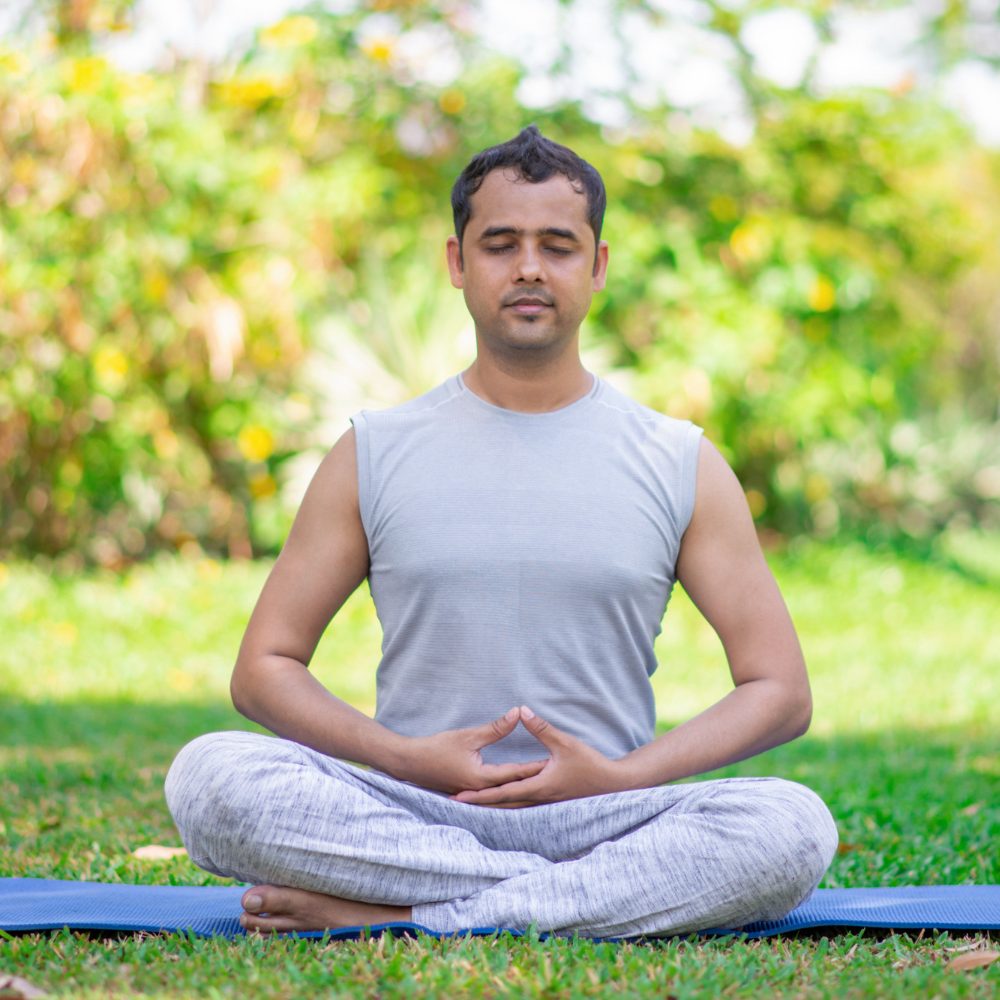
- Manage stress through techniques such as meditation, yoga, or deep breathing exercises.
4
- Try to avoid or eat less of foods that come in packages and boxes, like chips and biscuits.
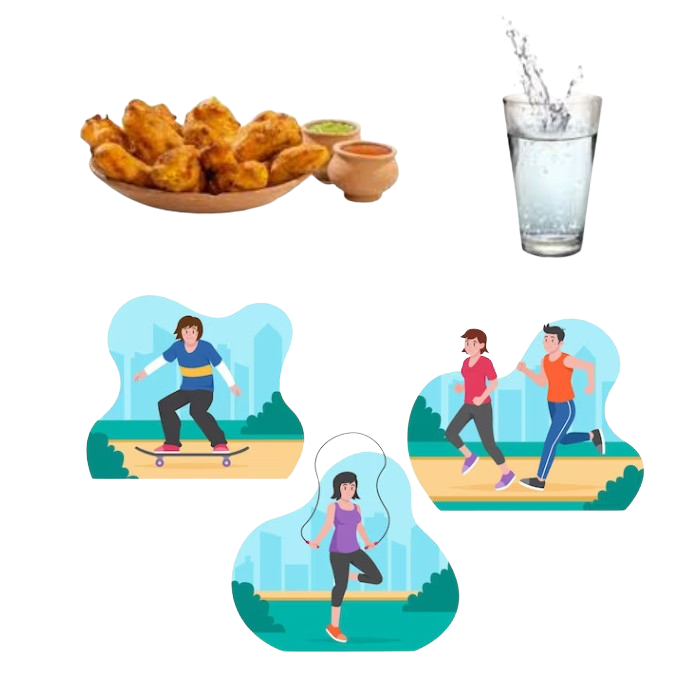
- Also, limit fried foods like samosa, kachori, pakoras.And, it’s best to avoid sugary drinks like soda or cold drinks.
- Engage in regular physical activity for at least 30 minutes per day, 5 days a week, through activities such as brisk walking, cycling, or running.
- Drink plenty of water and limit the intake of alcohol.
3
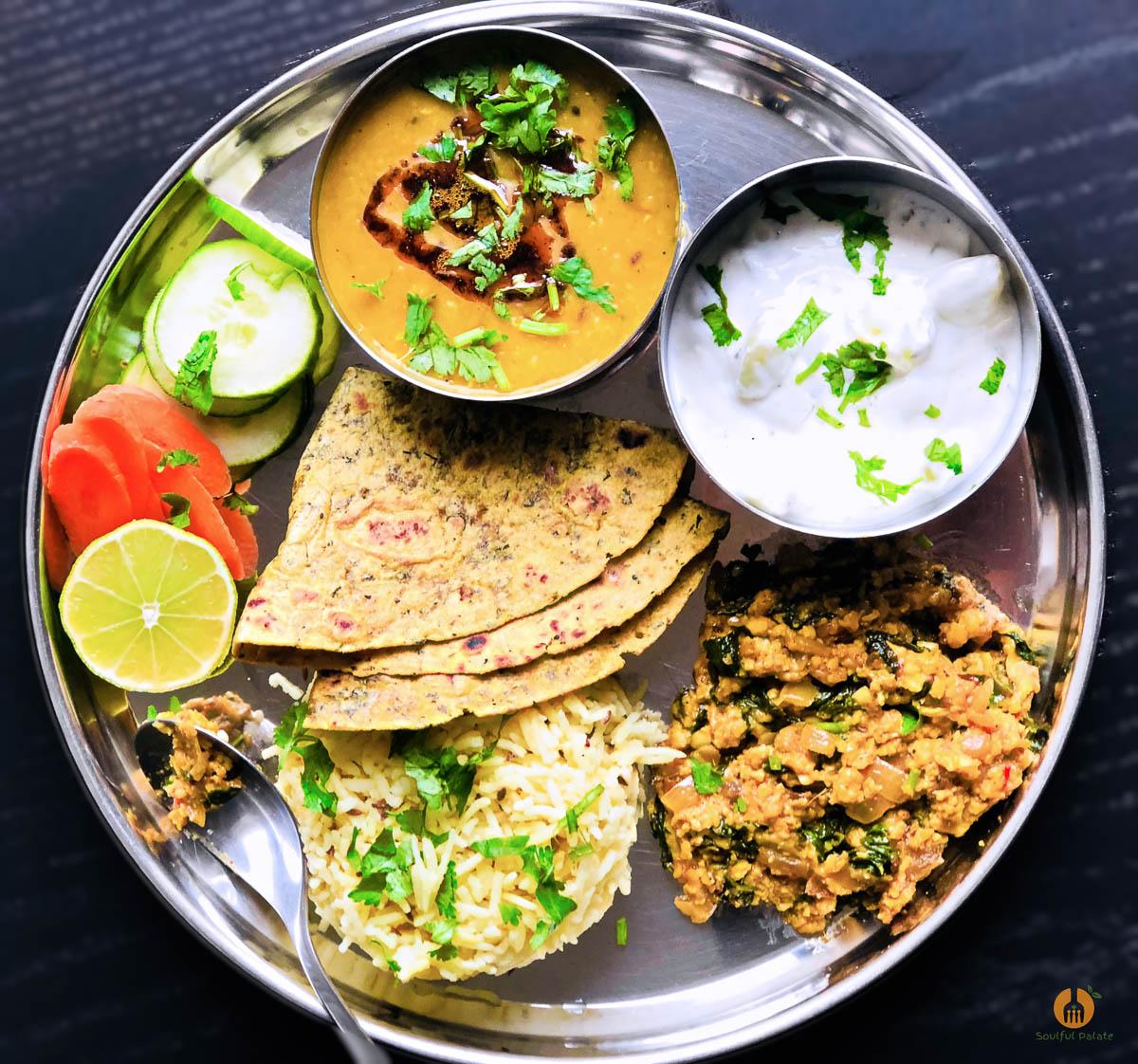
- Eat lots of healthy foods like whole grains (Jowar, Bajra, Cholai), legumes (Bengal Gram dal, Green Gram, Lentil, Cowpea, Horse Gram, Black Gram Dal), colorful vegetables (like spinach, carrots), fruits (such as apples, bananas), nuts (like peanuts)
- Try to avoid eating too much added sugar,unhealthy fats (like butter or oily snacks), and too much salt (found in salty snacks or processed foods).
- Instead of fatty meats, choose lean proteins like fish, chicken, or beans.
- For ex, instead of having a sugary soda, try drinking water or sugarcane juice. Instead of eating fried snacks, go for roasted or steamed snacks like roasted chickpeas or steamed peanuts.
2
Health Guidelines for Obesity by ICMR
Maintain a healthy body weight with a body mass index (BMI) between 18.5 and 22.9 kg/m².
1
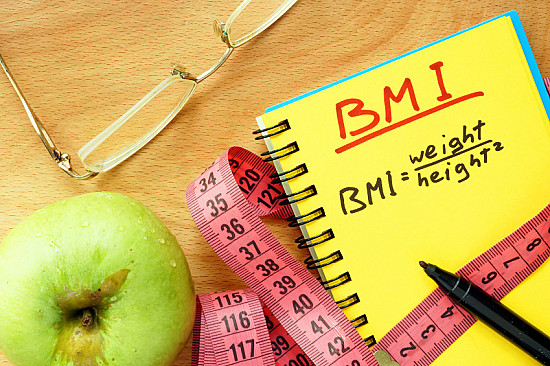
Body Mass Index
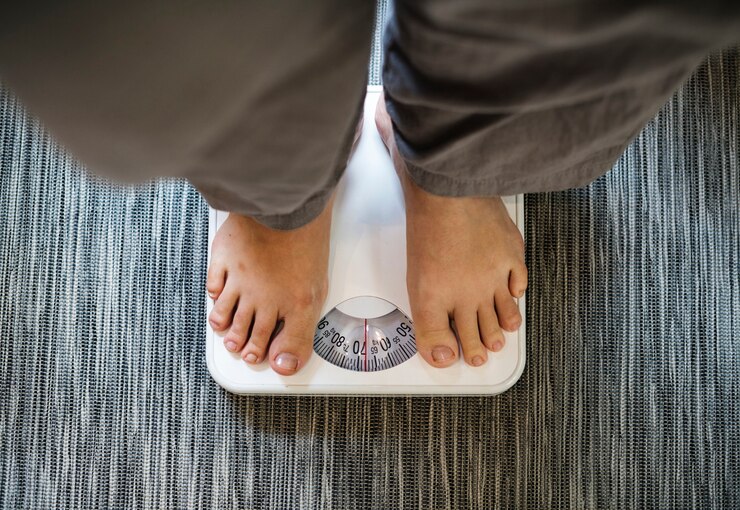
- BMI stands for Body Mass Index. It is a numerical measure of a person’s body fat based on their weight and height.
- BMI is widely used as an indicator of whether someone is underweight, normal weight, overweight, or obese.
- The formula for calculating BMI is as follows:
- BMI = weight (kg) / height (m) x height (m)